How to protect the back
Back health is considered one of the fundamental factors in a person’s quality of life. Back pain can affect daily activities, mobility, and even mental well-being. Therefore, maintaining mobility, improving lifestyle habits, and using appropriate treatment methods play an important role in preventing and managing lower back pain. When the back experiences persistent pain, getting up from a seated position, moving regularly, and avoiding inactivity become especially important. In this regard, lumbar braces and orthopedic insoles can be used as effective therapeutic tools, helping to relieve pain by reducing pressure on the spine.
Common Causes of Back Pain
Back pain can have many causes. One of the most common is degenerative and wear-related changes in the spine, such as osteoarthritis of the facet (intervertebral) joints. In this condition, the intervertebral discs—which act as shock absorbers—lose their elasticity, placing greater pressure on the joints. The deterioration of cartilage layers leads to bone friction and results in chronic, deep pain in the lower back region. The use of lumbar braces and supports in such cases can effectively reduce pain by decreasing joint pressure, improving posture, and increasing spinal stability.
The Spine and Types of Back Pain
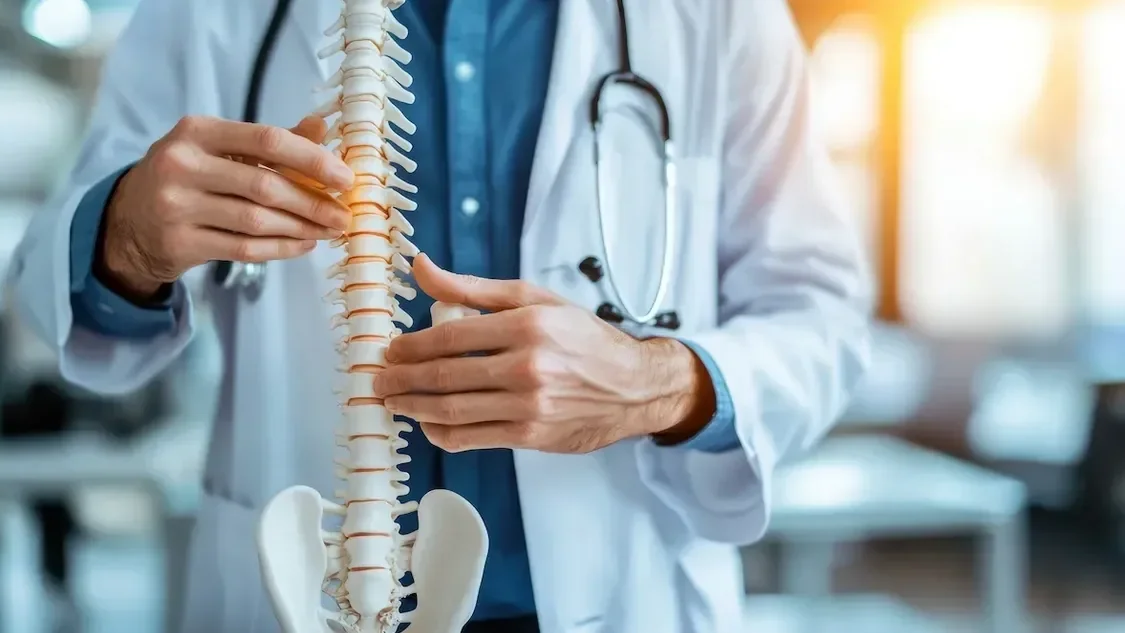
The human spine consists of 24 vertebrae connected by intervertebral discs, allowing movement and flexibility. Pain may occur in the cervical (neck), thoracic (mid-back), or lumbar (lower back) regions. Based on duration, back pain is classified into three categories:
Common Causes of Back Pain
Back pain can have many causes. One of the most common is degenerative and wear-related changes in the spine, such as osteoarthritis of the facet (intervertebral) joints. In this condition, the intervertebral discs—which act as shock absorbers—lose their elasticity, placing greater pressure on the joints. The deterioration of cartilage layers leads to bone friction and results in chronic, deep pain in the lower back region. The use of lumbar braces and supports in such cases can effectively reduce pain by decreasing joint pressure, improving posture, and increasing spinal stability.
The Spine and Types of Back Pain
The human spine consists of 24 vertebrae connected by intervertebral discs, allowing movement and flexibility. Pain may occur in the cervical (neck), thoracic (mid-back), or lumbar (lower back) regions. Based on duration, back pain is classified into three categories:
- Acute back pain (up to 6 weeks)
- Subacute back pain (6 to 12 weeks)
- Chronic back pain (more than 12 weeks)
From an etiological perspective, back pain is also divided into specific and non-specific types. In specific back pain, there is a clear cause such as a herniated disc, injury, inflammation, or facet joint osteoarthritis. In non-specific back pain, the exact cause cannot be identified and is often related to poor posture, muscle weakness, or lack of physical activity.

Signs and Symptoms
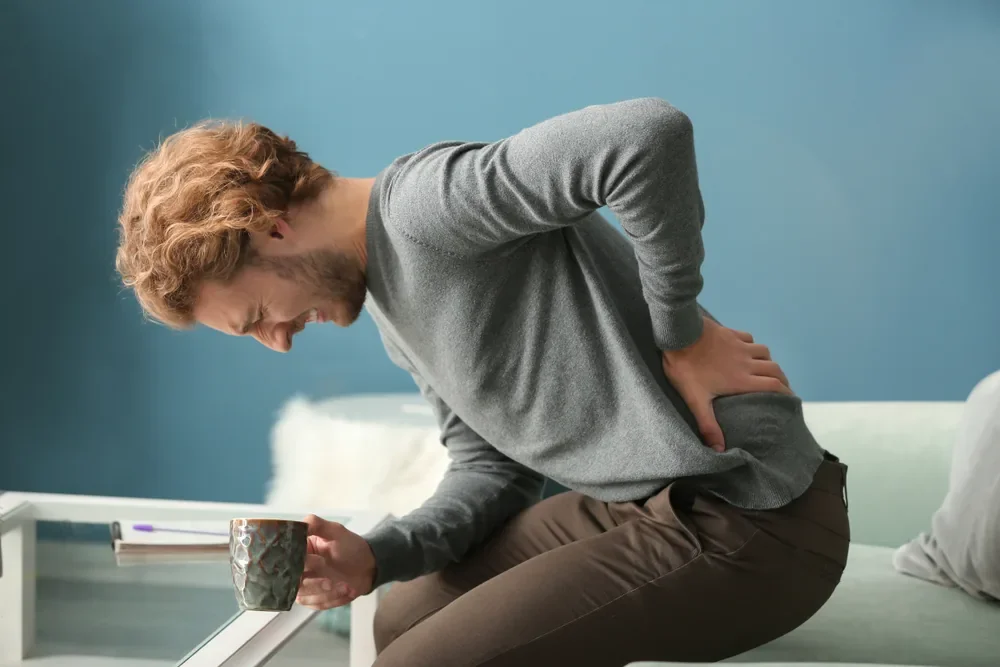
Most people experience back pain at least once in their lifetime. Prolonged sitting, poor posture, lifting heavy objects, and repetitive activities can place significant strain on the back. If the pain persists, radiates to the legs or arms, or is accompanied by numbness or tingling, medical consultation is necessary. The intensity and type of pain vary depending on the underlying cause and may be accompanied by limited mobility, muscle spasms, headaches, or even dizziness.
The Role of Muscles, Discs, and Feet in Back Pain
The trunk, abdominal, and side muscles play an important role in stabilizing the spine. Muscle weakness or imbalance can increase pressure on discs and joints, contributing to back pain. Conditions such as disc herniation, age-related degenerative changes, foot abnormalities, or leg length discrepancies can disrupt pelvic balance and lead to lower back pain. In such cases, orthopedic insoles can help reduce pain by correcting foot structure and improving pressure distribution.
Prevention and a Healthy Lifestyle
The good news is that many cases of back pain—especially the non-specific type—improve within a few weeks with non-invasive treatments. Regular exercise, even a few mild sessions per week, helps strengthen muscles, increase flexibility, and reduce pain. Activities such as brisk walking or swimming are particularly beneficial for back health without placing excessive strain on the joints.
Additionally, maintaining a balanced diet, keeping a healthy weight, lifting objects properly, and staying active throughout the day play important roles in preventing back pain. An ergonomic work environment can also help prevent chronic strain on the spine.
Most people experience back pain at least once in their lifetime. Prolonged sitting, poor posture, lifting heavy objects, and repetitive activities can place significant strain on the back. If the pain persists, radiates to the legs or arms, or is accompanied by numbness or tingling, medical consultation is necessary. The intensity and type of pain vary depending on the underlying cause and may be accompanied by limited mobility, muscle spasms, headaches, or even dizziness.
The Role of Muscles, Discs, and Feet in Back Pain
The trunk, abdominal, and side muscles play an important role in stabilizing the spine. Muscle weakness or imbalance can increase pressure on discs and joints, contributing to back pain. Conditions such as disc herniation, age-related degenerative changes, foot abnormalities, or leg length discrepancies can disrupt pelvic balance and lead to lower back pain. In such cases, orthopedic insoles can help reduce pain by correcting foot structure and improving pressure distribution.
Prevention and a Healthy Lifestyle
The good news is that many cases of back pain—especially the non-specific type—improve within a few weeks with non-invasive treatments. Regular exercise, even a few mild sessions per week, helps strengthen muscles, increase flexibility, and reduce pain. Activities such as brisk walking or swimming are particularly beneficial for back health without placing excessive strain on the joints.
Additionally, maintaining a balanced diet, keeping a healthy weight, lifting objects properly, and staying active throughout the day play important roles in preventing back pain. An ergonomic work environment can also help prevent chronic strain on the spine.

Treatment Methods for Back Pain
Treatment varies depending on the severity and cause and may include physiotherapy, massage, medication, corrective exercises, or in severe cases, surgery. Physiotherapy uses targeted exercises to strengthen muscles, reduce tension, and improve mobility. Pain-relieving and anti-inflammatory medications and topical treatments may be effective in the short term, but they should be used under medical supervision.
The Role of Lumbar Supports and Orthoses
Lumbar supports and orthoses are among the effective medical devices used in the treatment and management of back pain. These devices help relieve pain and improve mobility by stabilizing the spine, reducing pressure on joints and ligaments, and providing localized warmth. More rigid orthoses can compensate for movement abnormalities and prevent muscle deterioration. Ergonomic design, breathable and skin-friendly materials, and ease of use have made these devices important tools in improving patients’ quality of life.
Conclusion
Back health requires continuous attention, adequate movement, and the selection of appropriate treatment methods. By improving lifestyle habits, engaging in regular exercise, maintaining proper posture, and using suitable medical devices such as orthoses and orthopedic insoles, many back problems can be prevented and recovery can be accelerated when pain occurs. Maintaining back health is a valuable investment in living an active and high-quality life.
Treatment varies depending on the severity and cause and may include physiotherapy, massage, medication, corrective exercises, or in severe cases, surgery. Physiotherapy uses targeted exercises to strengthen muscles, reduce tension, and improve mobility. Pain-relieving and anti-inflammatory medications and topical treatments may be effective in the short term, but they should be used under medical supervision.
The Role of Lumbar Supports and Orthoses
Lumbar supports and orthoses are among the effective medical devices used in the treatment and management of back pain. These devices help relieve pain and improve mobility by stabilizing the spine, reducing pressure on joints and ligaments, and providing localized warmth. More rigid orthoses can compensate for movement abnormalities and prevent muscle deterioration. Ergonomic design, breathable and skin-friendly materials, and ease of use have made these devices important tools in improving patients’ quality of life.
Conclusion
Back health requires continuous attention, adequate movement, and the selection of appropriate treatment methods. By improving lifestyle habits, engaging in regular exercise, maintaining proper posture, and using suitable medical devices such as orthoses and orthopedic insoles, many back problems can be prevented and recovery can be accelerated when pain occurs. Maintaining back health is a valuable investment in living an active and high-quality life.