The oak tree is one of the oldest and most valuable plant species in Iran, growing widely in the Zagros forests and playing a fundamental role in the natural sustainability of this region. With a very long lifespan that sometimes exceeds 2,000 years, it is among the species resistant to drought and severe temperature fluctuations, and it is able to adapt to harsh climatic conditions. Oaks usually grow in groups and are found abundantly at various altitudes, especially on the southern slopes and foothills of the Zagros.
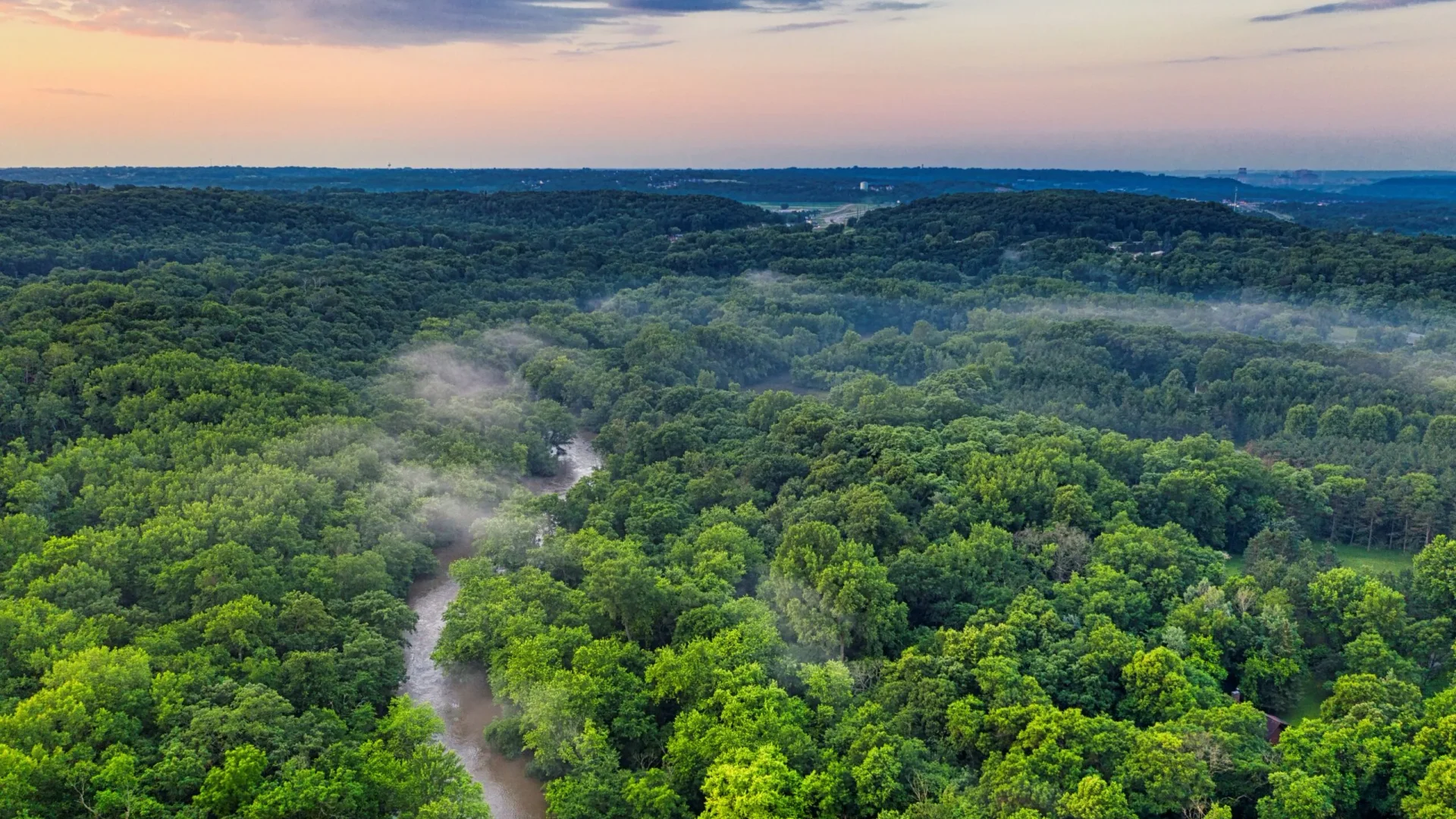
Tree planting
Oak trees
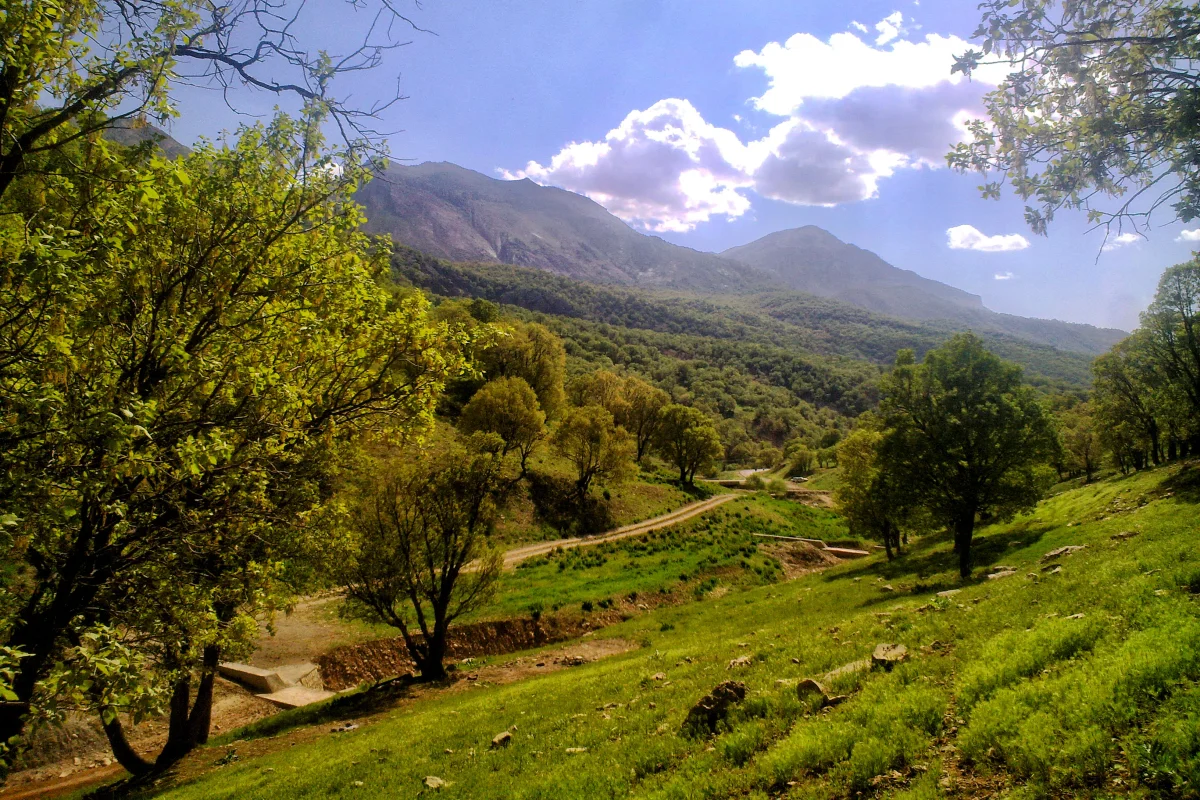
In addition to its environmental importance, the oak tree has great economic and cultural value. Its fruit and leaves have been used, in the past and present, in nutrition, medicine, dyeing, and the leather industry, and the livelihoods of many local communities have depended on this tree. Oak forests play a vital role in the balance of the ecosystem by preserving soil, preventing erosion, regulating water resources, and creating habitats for various animal species.
However, in recent years the oak forests of the Zagros have faced serious threats such as successive droughts, fires, excessive tree cutting, and improper exploitation—factors that have reduced the forest area and weakened this valuable natural asset. Protecting, restoring, and developing oak trees is essential not only for preserving the environment but also for the sustainability of the lives of current and future generations in the Zagros region.
By planting 188,000 oak trees so far, the EOP company has been able to fulfill its share of the duty of protecting the Zagros forests and to help restore part of these forests.
However, in recent years the oak forests of the Zagros have faced serious threats such as successive droughts, fires, excessive tree cutting, and improper exploitation—factors that have reduced the forest area and weakened this valuable natural asset. Protecting, restoring, and developing oak trees is essential not only for preserving the environment but also for the sustainability of the lives of current and future generations in the Zagros region.
By planting 188,000 oak trees so far, the EOP company has been able to fulfill its share of the duty of protecting the Zagros forests and to help restore part of these forests.
Bitter orange trees
The bitter orange plant is one of the oldest citrus species, which arose naturally about 8,000 years ago in the regions of Southeast Asia, especially India, China, and Indonesia. This plant is the result of a natural hybridization between the pomelo and the mandarin—a process that took shape in nature over thousands of years through cross-pollination and genetic mutations.
The emergence of the bitter orange was the result of natural mechanisms for improving reproduction and spreading plant species. The bright orange color and strong fragrance of the fruit attracted pollinating animals such as birds and insects and helped disperse the seeds. The early fruits of the bitter orange were smaller in size, had a very sour taste and more numerous seeds, and a thick, rough rind protected them against environmental conditions.
Over time and with human intervention in selective cultivation, the bitter orange underwent gradual changes, and varieties with larger fruits, milder taste, and thinner rind emerged. Meanwhile, birds, bees, and even ants played an important role in transferring the seeds and in the natural spread of this plant. Today, the bitter orange is known not only as a valuable plant in nature but also holds a special place in the agriculture, nutrition, and culture of many communities.
Bitter orange trees grow in tropical and subtropical regions and, due to their high adaptability, grow in various soils. With proper care, a bitter orange tree can live between 50 and 100 years. The lifespan of a bitter orange tree depends on environmental conditions, agricultural care, and the prevention of pests and diseases.
The emergence of the bitter orange was the result of natural mechanisms for improving reproduction and spreading plant species. The bright orange color and strong fragrance of the fruit attracted pollinating animals such as birds and insects and helped disperse the seeds. The early fruits of the bitter orange were smaller in size, had a very sour taste and more numerous seeds, and a thick, rough rind protected them against environmental conditions.
Over time and with human intervention in selective cultivation, the bitter orange underwent gradual changes, and varieties with larger fruits, milder taste, and thinner rind emerged. Meanwhile, birds, bees, and even ants played an important role in transferring the seeds and in the natural spread of this plant. Today, the bitter orange is known not only as a valuable plant in nature but also holds a special place in the agriculture, nutrition, and culture of many communities.
Bitter orange trees grow in tropical and subtropical regions and, due to their high adaptability, grow in various soils. With proper care, a bitter orange tree can live between 50 and 100 years. The lifespan of a bitter orange tree depends on environmental conditions, agricultural care, and the prevention of pests and diseases.
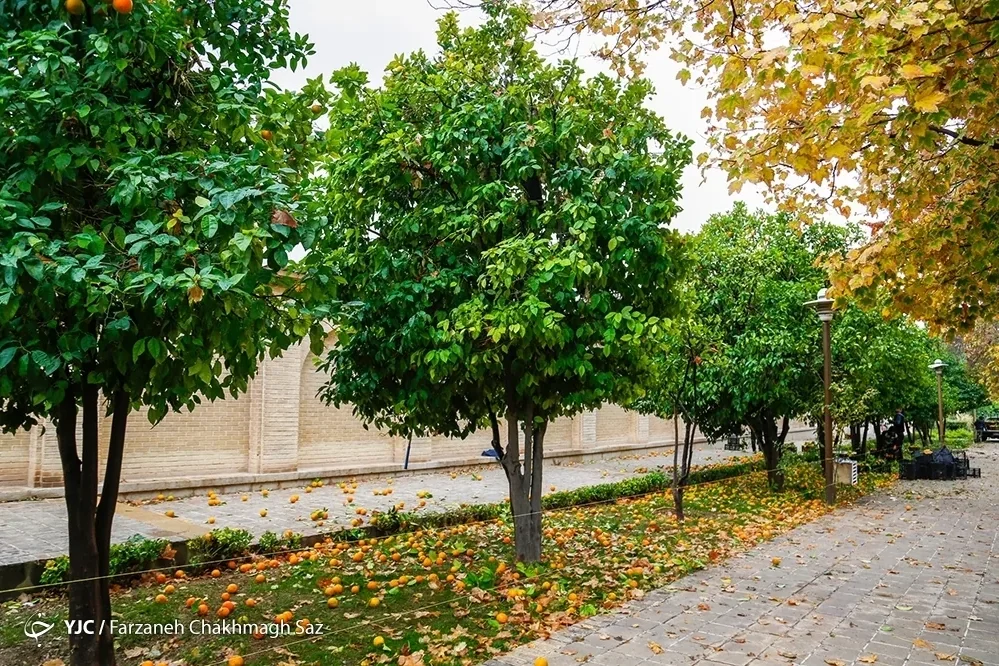
One of the countries where the bitter orange tree grows is Iran, and among the provinces, this tree is planted abundantly in Fars and Mazandaran provinces. Since 2020 (1399), the EOP company has begun planting bitter orange saplings in several hospitals. These saplings, which have now grown into tall trees, have greatly helped create beautiful green spaces in the hospitals as well as purify the air.