
Customer services & online support
Related articles

Combating the water crisis is one of our most important duties.
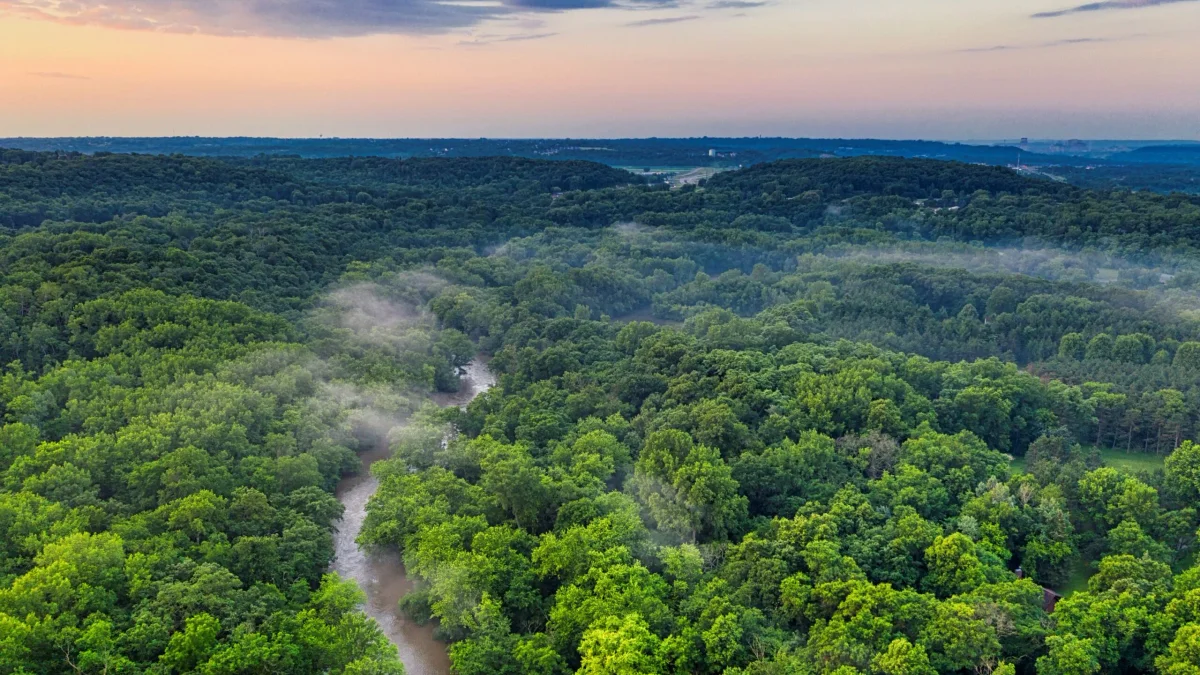
The oak tree is one of the oldest and most valuable plant species in Iran, growing widely in the Zagros forests and playing a fundamental role in the natural sustainability of this region. With a very long lifespan that sometimes exceeds 2,000 years, it is among the species resistant to drought and severe temperature fluctuations, and it is able to adapt to harsh climatic conditions. Oaks usually grow in groups and are found abundantly at various altitudes, especially on the southern slopes and foothills of the Zagros. In addition to its environmental importance, the oak tree has great economic and cultural value. Its fruit and leaves have been used, in the past and present, in nutrition, medicine, dyeing, and the leather industry, and the livelihoods of many local communities have depended on this tree. Oak forests play a vital role in the balance of the ecosystem by preserving soil, preventing erosion, regulating water resources, and creating habitats for various animal species. However, in recent years the oak forests of the Zagros have faced serious threats such as successive droughts, fires, excessive tree cutting, and improper exploitation—factors that have reduced the forest area and weakened this valuable natural asset. Protecting, restoring, and developing oak trees is essential not only for preserving the environment but also for the sustainability of the lives of current and future generations in the Zagros region.
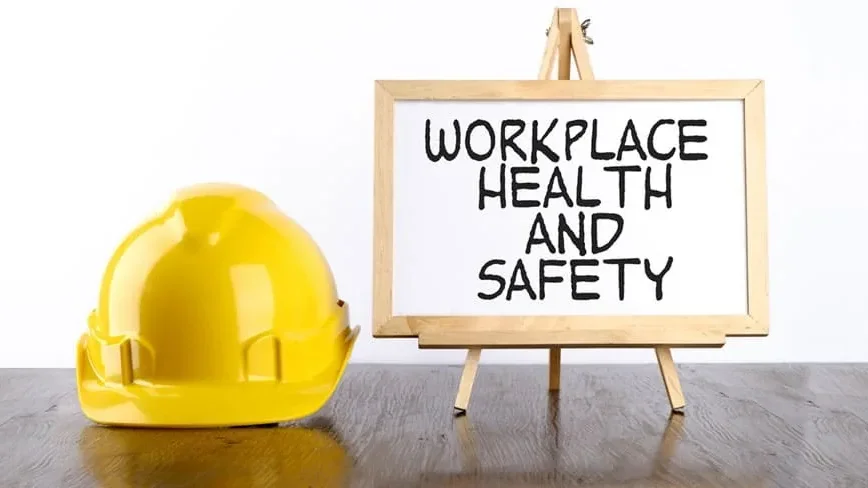
A large part of our lives is spent at work, so maintaining health and well-being in the workplace is very important. Avoiding activities that harm the body and observing a few simple principles can help preserve health. In the following, we will discuss a few principles and methods for protecting the body and mind in the workplace. Caring for the back In some jobs people bend over many times a day and lift heavy objects, such as construction workers. This movement can injure the back, so care must be taken to observe the following when moving heavy loads: • Keep the load as close to the body as possible and move it with a straight back. • If it is too heavy, lighten the load and carry it in several stages. • Wherever possible, push or pull the load instead of lifting it. • Use tools such as hand trucks, cranes, and suction forklifts. Protection when working with hazardous materials Hazardous materials can be flammable, corrosive, or toxic and may be present in workshops or factories as dust, welding fumes, or asbestos. Observing safety points by the employer and staff helps preserve health. Be aware of workplace safety issues and, if necessary, use protective equipment such as goggles, gloves, or a mask. Stress management and mental health Various jobs cause stress with tight schedules, heavy workload, moving between workplaces, noise, dust, and temperature changes. To manage stress: • Prepare a weekly or monthly plan and allow extra time for unexpected events. • Take short, regular breaks to recover your energy. • After work, endurance exercises such as swimming, running, or cycling help reduce stress. Protection against noise Working with machinery in workshops, especially carpentry, produces a lot of noise. Use ear-protection equipment and observe the company's safety rules. Check whether earplugs are sufficient or whether you should also use protective earmuffs or a noise-canceling helmet. Try to reduce the time spent in noisy environments to protect your hearing. A step toward a healthier life In addition to protecting against hazardous materials and avoiding loud noises, the following are also very helpful: • If you work standing a lot, take care of the veins in your legs, as varicose veins or blood clots may develop. Compression stockings are a good option for prevention. • In case of back pain, orthopedic supports can help stabilize the spine and reduce muscle tension. • Various types of knee supports reduce the pressure caused by kneeling.